

Toddler / Preschool Program
Where children learn to think, to negotiate, and to do things for themselves.
About the program
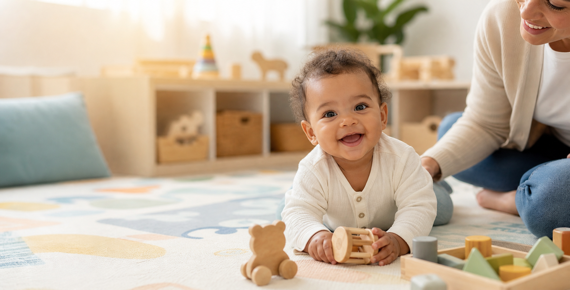
Somewhere between two and five, children stop playing beside each other and start playing with each other — and that single shift changes everything about what they need. Suddenly they are negotiating roles, defending ideas, managing disappointment, and discovering that other people want things too. This program is built around that transition.
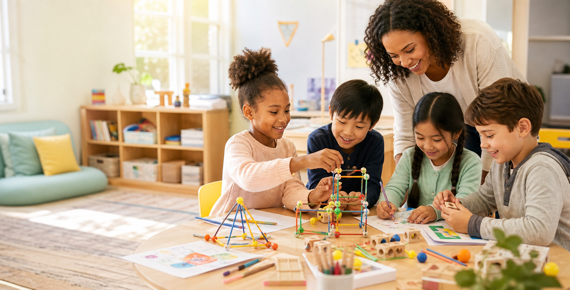
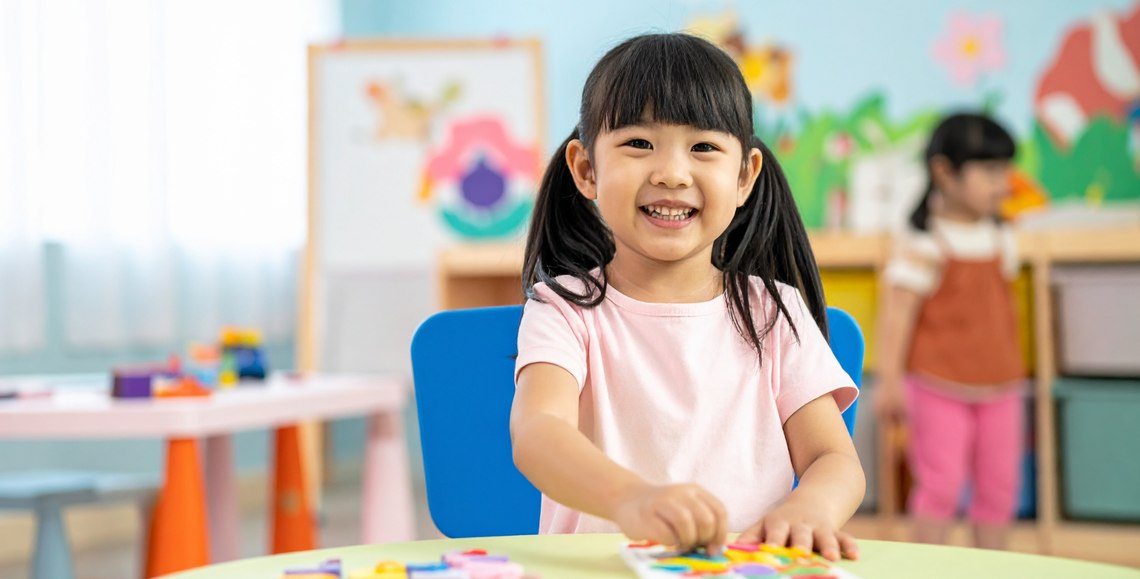
The room is arranged as a set of learning areas rather than one large open space: construction and blocks, dramatic play, books and a quiet corner, art and making, sand and water, puzzles and small-world play. Children move freely between them and choose where to invest their time. Long uninterrupted play periods are protected in the daily schedule, because most of what is worth learning at this age happens in the twentieth minute of a game, not the second.
How learning works here
Our approach is play-based, which is not the same as unstructured. Educators observe closely, notice what a child is working on, and then deliberately add something to extend it — a question, a new material, a book on the subject, a challenge. A child obsessed with ramps gets steeper ramps, heavier balls, and eventually a conversation about why one rolls further. A child mid-way through building a shop gets paper for price tags.
Interests that grip the whole group turn into longer projects the children return to over days or weeks. These are led by their questions rather than a pre-set curriculum theme, so what runs in one year rarely repeats in the next.
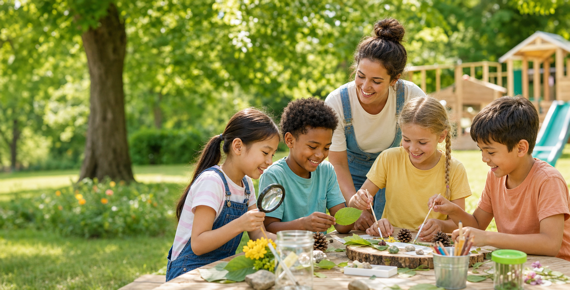
Early literacy grows out of stories, songs, rhymes, and children's own drawing and mark-making, alongside a print-rich room where their names and words appear on things they care about. Early math is built into what they are already doing: sorting, counting, comparing, measuring, spotting patterns, and figuring out how to make a tower stay up. Science and nature come mostly from the outdoors and from questions we did not plan for.

The skills that are harder to see
As much attention goes to social and emotional learning as to anything academic. Children practise naming what they feel, waiting for a turn, joining a game already in progress, and disagreeing without the whole thing falling apart. When conflict happens — and it does, constantly, which is normal — educators slow it down and help both children say what they wanted and hear what the other wanted, rather than simply separating them and assigning blame.
Independence is a daily habit rather than a lesson. Children manage their own coats and boots, pour their own drinks, serve themselves at the table, wash up, and help put the room back together. It is slower than doing it for them, and it is the point.
A typical day
- Arrival — Settling in, greeting friends, quiet table activities
- Morning — Long uninterrupted free-choice play across the learning areas, with educators extending projects
- Mid-morning — Snack together, then outdoor play in all but the most extreme weather
- Late morning — Small-group time — stories, music and movement, or a focused activity
- Lunch — Shared meal, with children helping to set up and clear away
- Early afternoon — Rest or quiet time, sized to each child's needs; non-sleepers have calm alternatives
- Afternoon — Second outdoor block, followed by open play, art, and projects
- Late afternoon — Snack, tidy-up, and calmer activities until pick-up
Getting ready for school
In the year before kindergarten the focus tilts gently — not toward worksheets, but toward the things that actually make the first weeks of school easier. Children practise longer group times, following multi-step instructions, listening while others speak, recognising and writing their own name, and managing their own belongings and bathroom needs independently.
We share a summary of your child's development and interests before they move on, and where families want it, we are happy to speak with the receiving school.
Working with families
You will hear about your child's day at pick-up, and more substantially through ongoing documentation of what they have been working on. We hold conversations about development at least twice a year, and any time you or we feel one is needed. If we notice something that might warrant a closer look — speech, hearing, motor skills, or social development — we raise it early, gently, and with practical next steps rather than alarm.
What The Program Includes
- Interest-based learning areas and long, protected free-choice play periods
- Child-led projects extended by educators over days or weeks
- Early literacy through stories, songs, rhymes, and mark-making
- Early math through sorting, counting, patterns, measuring, and building
- Art, music, movement, sensory play, sand and water
- Daily social-emotional coaching and hands-on conflict resolution
- Self-help routines: dressing, serving, tidying, and personal care
- Two outdoor play blocks daily, in all seasons
- Rest or quiet period, with alternatives for non-sleepers
- School-readiness focus in the final year, plus a handover summary
- Developmental conversations with families at least twice a year