


The Importance of Early Childhood Education – How Quality Early Learning Impacts a Child's Future
The first five years of a child's life are the most critical for brain development. During this period, children's brains develop at an astonishing rate, and the experiences they have during these formative years shape their future learning, behavior, and health. Quality early childhood education (ECE) is a vital tool in setting a strong foundation for success, not only in school but throughout life.
Early learning opportunities provide children with the social, emotional, and cognitive skills they need to thrive in later years. In fact, studies show that the earlier children are exposed to structured learning environments, the more likely they are to succeed academically, socially, and emotionally.
Nurturing Growth: Cognitive, Emotional, and Social Benefits
Cognitive Development
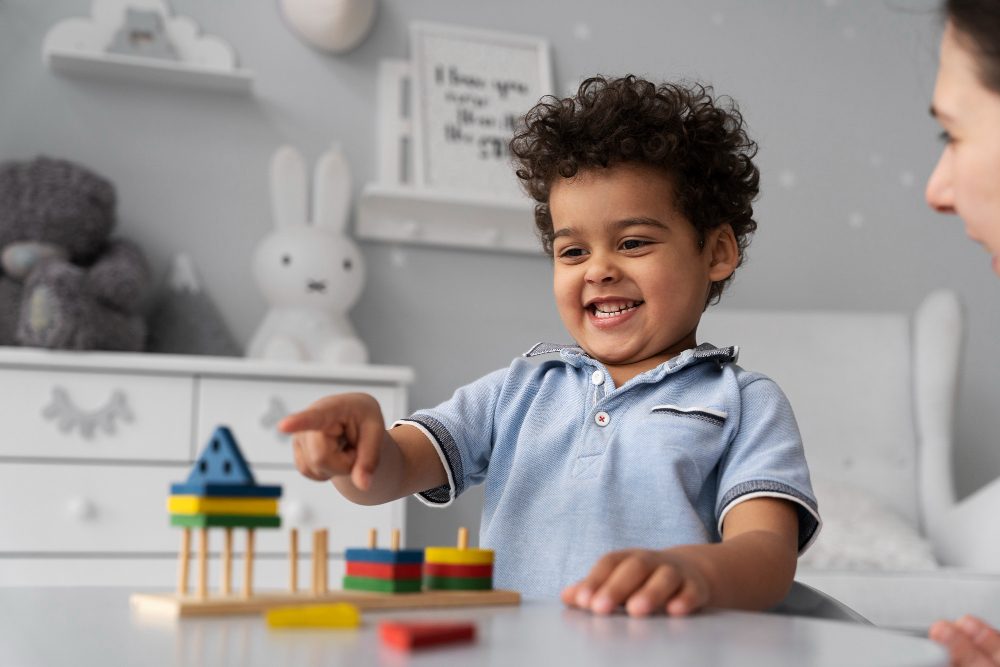
Quality early childhood education stimulates cognitive development by fostering skills such as problem-solving, language acquisition, and critical thinking. During their early years, children are introduced to new concepts and experiences that enhance their ability to understand the world around them. The more they learn through structured play and interaction, the stronger their cognitive abilities become.
For example, children in early education programs are more likely to develop advanced literacy and numeracy skills. By building a strong foundation in these key areas, children are set up for future academic success.
Emotional Development
Beyond cognitive growth, early childhood education plays a vital role in nurturing emotional development. Children who attend high-quality programs learn to recognize and manage their emotions, a skill that is essential for lifelong social and emotional well-being. Educators foster a supportive environment where children feel safe to explore their feelings and build emotional resilience.
In these formative years, children also learn empathy and develop healthy relationships with peers and adults. These emotional skills are crucial for building a strong sense of self-worth and confidence.
Social Development
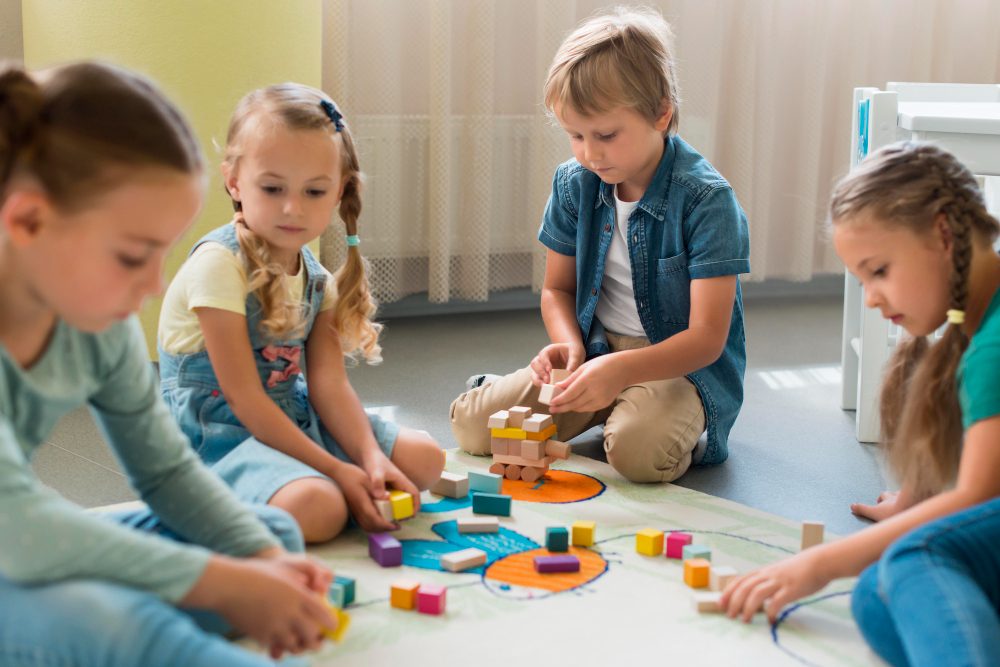
Early childhood education provides children with invaluable socialization opportunities. They learn essential social skills such as how to share, collaborate, and resolve conflicts. These experiences help children form positive relationships with others and develop the communication skills they'll need as they grow.
Children who are exposed to diverse social settings early on are also better prepared for the structured social environments they'll encounter in school. A solid social foundation ensures that they are confident in interacting with others in a variety of contexts.
The Role of Educators in Shaping Young Minds
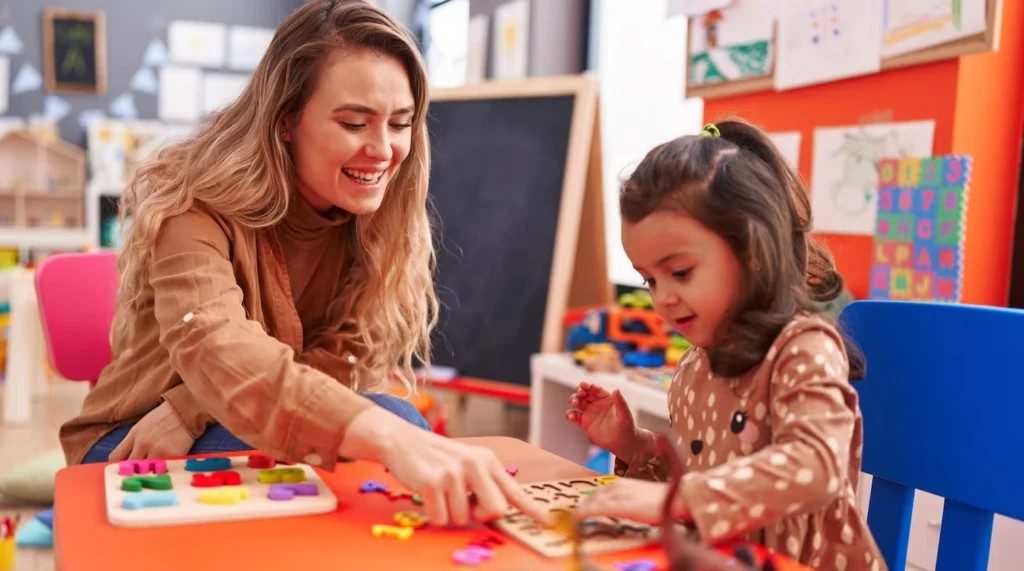
While parents are a child's first teachers, the role of early childhood educators cannot be overstated. Trained educators bring a wealth of knowledge and experience to the classroom. They understand how children learn best and create environments that foster curiosity, creativity, and exploration.
Educators in early childhood settings are not just caretakers — they are mentors who provide guidance, encouragement, and individualized support to help each child reach their full potential.
Building Blocks for Future Success
Early childhood education is more than just preparation for kindergarten — it's the foundation for future success in all areas of life. Children who experience quality early learning programs develop better academic skills, a stronger ability to manage challenges, and greater emotional intelligence.
Research consistently shows that children who attend preschool programs perform better in school, are more likely to graduate, and have a higher rate of success in their careers. The skills children gain through early education — such as critical thinking, collaboration, and emotional resilience — carry through to adulthood, contributing to greater life satisfaction and success.
- Higher high school graduation rates
- Better language and math skills
- Stronger problem-solving abilities
- Greater creativity and curiosity
- Better social adjustment
The Environment Matters: Creating a Supportive Learning Space
A well-designed learning environment plays a crucial role in early childhood education. Children thrive in spaces that are safe, engaging, and equipped with materials that encourage exploration and discovery.
A positive learning environment not only stimulates intellectual growth but also helps children develop confidence, independence, and curiosity — all of which are essential for future success.
The Lasting Impact: Benefits That Extend Beyond the Classroom
The benefits of early childhood education extend far beyond the classroom. Research has shown that children who attend quality early education programs are more likely to succeed in later academic settings, have higher graduation rates, and enjoy better career opportunities.
Early education provides the foundation for lifelong learning, social skills, and emotional well-being. It empowers children to face challenges with resilience, approach learning with enthusiasm, and build meaningful relationships with others.
- Higher earning potential as adults
- Lower rates of remedial education needs
- Better health outcomes
- More positive social relationships
A Strong Start Leads to a Bright Future
The benefits of early childhood education extend far beyond the classroom. Research has shown that children who attend quality early education programs are more likely to succeed in later academic settings, have higher graduation rates, and enjoy better career opportunities.
“Education is the most powerful weapon which you can use to change the world.” — Nelson Mandela
At Brighter Horizon Preschool & Afterschool Centre, we're committed to providing every child with a nurturing, supportive environment where they can grow, explore, and succeed. Learn more about our early childhood programs and how we can help your child thrive.