


How Play-Based Learning Supports Child Development
In the early years of life, children's brains are developing at an incredible rate. Play-based learning, which allows children to explore, interact, and create in a natural, engaging environment, is one of the best ways to support their cognitive, emotional, social, and physical development. Rather than seeing play as simply an activity for fun, we understand it as a powerful tool for learning.
Research across the world consistently shows that play-based learning is not only enjoyable but also fundamental to a child's long-term success. Children who engage in this type of learning gain important skills that will serve them throughout their academic journey and well into adulthood. This blog will delve into the various ways in which play-based learning helps foster well-rounded development in young children.
What is Play-Based Learning?
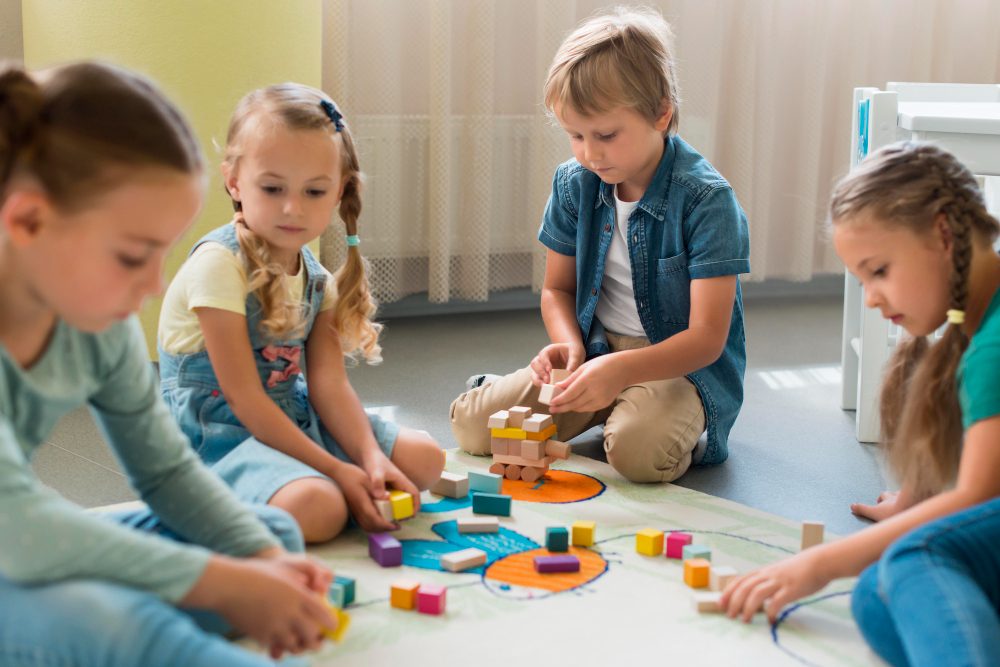
Play-based learning is exactly what it sounds like — learning through play. It's an approach where children engage with materials, activities, and social interactions in a way that promotes exploration, experimentation, and problem-solving. Whether it's building with blocks, creating art, or pretending to cook in the kitchen, play provides children with the opportunity to learn in a hands-on, meaningful way.
This approach nurtures curiosity and develops critical thinking skills by encouraging children to explore the world around them. Rather than focusing solely on academic tasks, play-based learning fosters creativity, imagination, and social skills, all of which are crucial for future success.
1. Cognitive Development: Laying the Groundwork for Future Learning
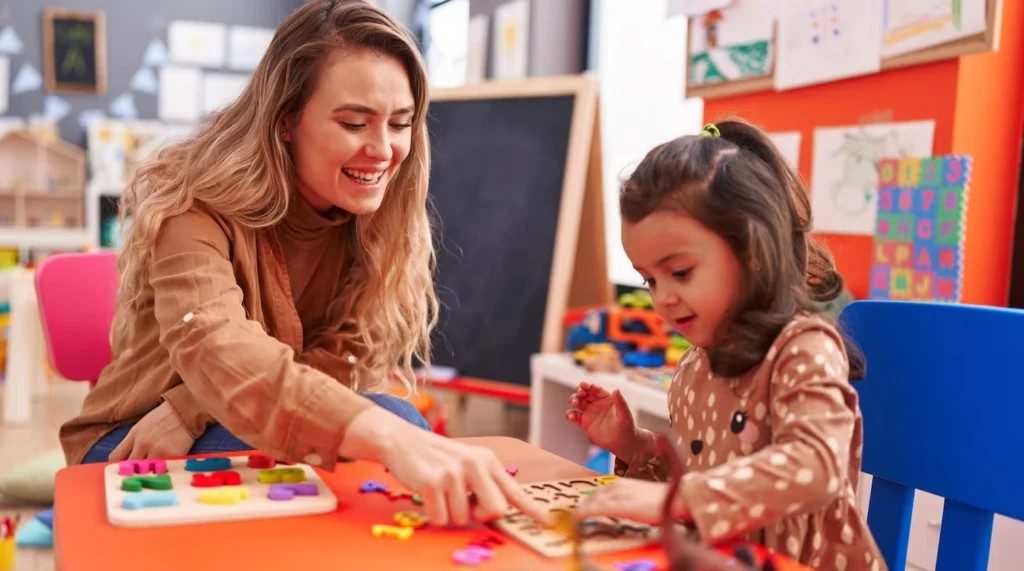
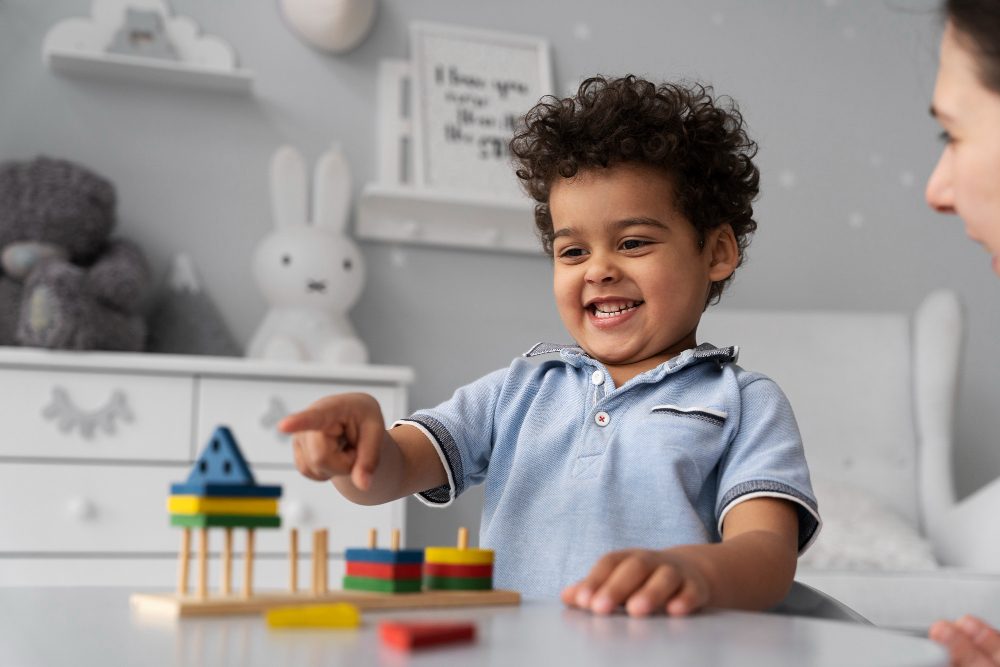
Through play, children naturally develop essential cognitive skills such as memory, attention, and problem-solving. For instance, when children engage in activities like sorting objects, building structures, or solving simple puzzles, they are not just having fun — they are learning concepts such as patterns, shapes, and spatial relationships.
Play-based learning also enhances language skills. As children interact with others, they practice using new words and phrases, enhancing their ability to communicate clearly and effectively. This is especially important for children's early literacy development and lays the foundation for reading and writing skills later on.
2. Emotional Development: Building Resilience and Confidence
Play-based learning also plays a crucial role in emotional development. It gives children the opportunity to express their feelings, understand their emotions, and learn how to regulate them. When children engage in dramatic play, for example, they practice expressing different emotions and coping with situations such as disappointment or frustration.
As children navigate these emotional experiences through play, they also build resilience and confidence. They learn how to deal with challenges and celebrate their successes, both of which are essential for their mental health and emotional well-being.
3. Social Development: Learning to Share and Work Together
The social benefits of play are among the most significant. Play-based learning encourages children to interact with their peers, which helps them develop important social skills such as sharing, taking turns, and negotiating. Through group activities, children learn to work collaboratively, solve problems together, and respect others' ideas and opinions.
These social interactions also contribute to the development of empathy, as children begin to understand and respect the feelings of others. These early social skills form the foundation for positive relationships in later years, both in school and beyond.
4. Physical Development: Strengthening Coordination and Motor Skills
Play-based learning is also crucial for physical development. Active play — whether it's climbing, jumping, or running — helps children build coordination, balance, and motor skills. Fine motor skills, such as drawing, cutting, or building with small blocks, are also developed through play activities.
At the same time, physical play supports cognitive and emotional development. For example, when children engage in outdoor games or sports, they not only strengthen their muscles but also learn about teamwork, strategy, and perseverance. These physical skills contribute to children's overall health and well-being.
Why Play-Based Learning Matters for Your Child's Future
While the benefits of play-based learning are apparent in the early years, they have a lasting impact on a child's future. Children who experience play-based learning develop a strong foundation of skills that they will build upon in their academic careers and later in life. They become critical thinkers, creative problem solvers, and emotionally intelligent individuals — traits that are invaluable for future success.
In fact, studies have shown that children who participate in play-based learning programs are better equipped to handle the challenges of school. They tend to have stronger academic performance, better social skills, and a greater love for learning. This holistic development is key to helping children thrive both in school and in their personal lives.
Incorporating Play-Based Learning in Everyday Life
While formal play-based learning environments are crucial, play can and should be incorporated into everyday life at home too. Whether it's playing with toys, engaging in outdoor activities, or even taking a trip to the park, parents and caregivers can nurture children's development through play. Here are some ways you can support play-based learning at home:
- Encourage open-ended play: Provide toys or materials that allow for creativity, such as building blocks, art supplies, or dress-up clothes.
- Engage in pretend play: Participate in imaginative play with your child, whether it's playing “house,” pretending to be animals, or creating imaginary worlds.
- Spend time outdoors: Outdoor play supports physical development and allows children to explore the natural world.
- Foster social interactions: Arrange playdates or group activities that encourage children to work together and learn from one another.
Conclusion
At the heart of every child's development is the opportunity to play. Play-based learning nurtures a child's growth in all areas — cognitive, emotional, social, and physical. It gives children the chance to explore, make decisions, and understand the world around them in a meaningful way. These experiences are critical not only for their early education but also for their long-term success.
By fostering a learning environment that encourages play, we help children build the foundation they need to thrive, not just academically, but socially and emotionally as well. Play is not only the most natural way for children to learn but also the most effective way to equip them for the challenges and opportunities ahead.
If you're interested in learning more about how play-based learning can benefit your child, feel free to reach out or schedule a visit to learn more about our approach to early childhood education.
A Strong Start Leads to a Bright Future
The benefits of early childhood education extend far beyond the classroom. Research has shown that children who attend quality early education programs are more likely to succeed in later academic settings, have higher graduation rates, and enjoy better career opportunities.
“Education is the most powerful weapon which you can use to change the world.” — Nelson Mandela
At Brighter Horizon Preschool & Afterschool Centre, we're committed to providing every child with a nurturing, supportive environment where they can grow, explore, and succeed. Learn more about our early childhood programs and how we can help your child thrive.